
Cooking is something that has always come natural to me, and it's also something that I continue to work on and perfect. It's not a one size fits all, and it's also a skill that everyone should have access to and learn. Over the last decade, I've picked up many different tips, tricks, strategies - with many mistakes and mishaps - that have led me to having a successful cooking blog. In this post, I break down my top five essential kitchen tips for cooking success, along with six of the most basic recipes you'll be able to master in no time. Grab an apron, and let's do this.

Myths about Cooking
It's challenging to try and put into a small paragraph the misnomers about cooking. I can reassure you, cooking is a lot more approachable than it looks, so allow me to lead you into taking the step forward in feeling comfortable using your kitchen, not just standing in it.
- MYTH: You need to have state of the art appliances: This is entirely untrue. You do not need to have state of the art, top of the line appliances to make a kick-butt recipe in your oven or on the stove. The most important thing about your appliances is that they are reliable and you know how to operate it.
- MYTH: Culinary school is a must: Again, not true. I never went to culinary school (Gasp!) I've learned from being immersed in restaurants, bakeries, Italian speciality shops, and watching family cook for the holidays. The more exposure you get from watching videos, going to recreational classes (Sur La Table has couples classes which are so fun!), or even exploring on your own is the best place to start.
- MYTH: Everything you buy needs to be organic: There is some truth to having some produce and other items organic due to pesticide use, but not everything has to be organic. Organic items tend to be more expensive, and if you are looking to stay on a budget, buying organic might not be accessible.
Morgan's Five Tips for Kitchen Success
Okay, we've debunked some of the biggest and baddest myths about cooking (in my opinion), and now we're ready to print a recipe, grab a santoku knife and start chopping. Let me break down for you tried and true tips for getting comfortable in the kitchen, with six of the most classic recipes that you'll master in no time. Trust me, your family, your tastebuds, and your wallet will thank you.
#1
Mise en Place
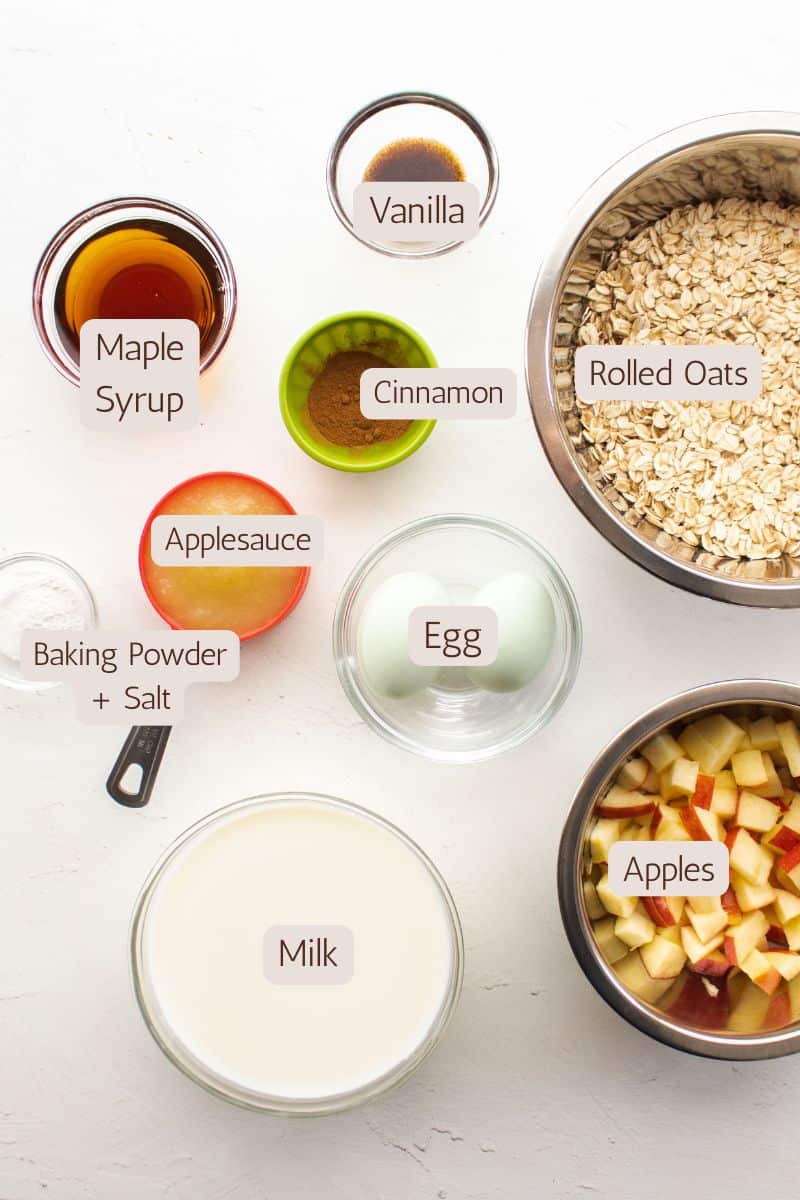
Mise en place translates to having everything in its place, aka have your ingredients ready to go. The last thing you want is to be running around the kitchen frantically trying to find the jar of paprika or accidentally grab sugar instead of salt... speaking from unfortunate experience. Knowing where everything is keeps cooking timely.
#2
Know your appliances
I'm talking oven, stove, microwave, air fryer, toaster, waffle iron, all the appliances that you use on a regular basis, or ones that you'd like to start using regularly. It sounds silly, but you should get comfortable knowing what each button does, the functions of each appliance so that you don't have to second guess yourself while cooking.


#3
Read, and reread the recipe
This sounds very obvious, but I'll be honest, this is one of the most important steps to cooking. You need to know the recipe. If you are new to cooking, print the recipe or save it through the website you found it (such as mine, shameless plug...), and thumb through the step by step and ingredient breakdown. It takes practice to get comfortable with seasoning as you go, which is why recipes are tested and retested to make sure the flavors are balanced.
#4
Different cooking methods
From searing, steaming, broiling, roasting, baking, grilling, sautéing, and more, there are several different methods to cooking that you need to know. If you're making a recipe that says "broil," this is very different than steaming or baking. Make sure you discern what the cooking method is before diving in.

#5
Apron, knives, and pans
I am notorious for staining clothes when I cook, so I have learned to rely on my aprons, especially when using oil. Having an apron helps to keep your clothing clean and stain-free. It's also very important to have sharp knives and reliable pans to cook with. Sharp knives help with cutting produce, meats, and other foods, so when you use a dull knife, it can cause issues while cutting, or even worse, slip and cause injury. There are a variety of pans to choose from, and it's important to choose based on your preference of cooking. Stainless steel, ceramic, and cast iron are the three I rely on.
Morgan's Top Six Beginner Recipes
I've been cooking for over a decade, and have continued to perfect my knife skills, my kitchen strategies, and the best use of my kitchen space. With that, I have developed six approachable, beginner-friendly recipes that get you not only comfortable in your own kitchen, but feeling confident!
- Pan Fried Breaded Chicken Cutlets: This is the perfect beginner, cooking 101 recipe as it teachers so many skills: frying, filetting chicken (cutting thinner), and breading with egg.
- Italian Turkey Meatballs: Meatballs can be baked in the oven or pan fried in a pan. Plus, the flavors are versatile and the meatballs can be thrown into sauce, or eaten as is.
- Sautéed String Beans: A favorite recipe of mine, and it teaches how to blanch a vegetable to soften before sautéing. String beans are a very forgiving vegetable, and are easy to cook in many different ways.
- Banana Bread: Baking is a science, but also a great way to get used to measuring and using precision. Banana bread is a great baking recipe to start with, and who doesn't love a slice of warm banana bread with butter?
- French Toast: A breakfast classic which can be done in a few different ways. My cinnamon sugar french toast sticks are great for kids and adults, for an easy lunch, or kid-friendly enough to elicit help from the family.
- Mixed Green Salad: A recipe that takes virtually no heat at all. A salad is very simple to throw together, especially last minute. Balance out a salad with sweet, savory, salty, and a simple vinaigrette, and you've nailed it.
Leave a Reply